Bhaderwah
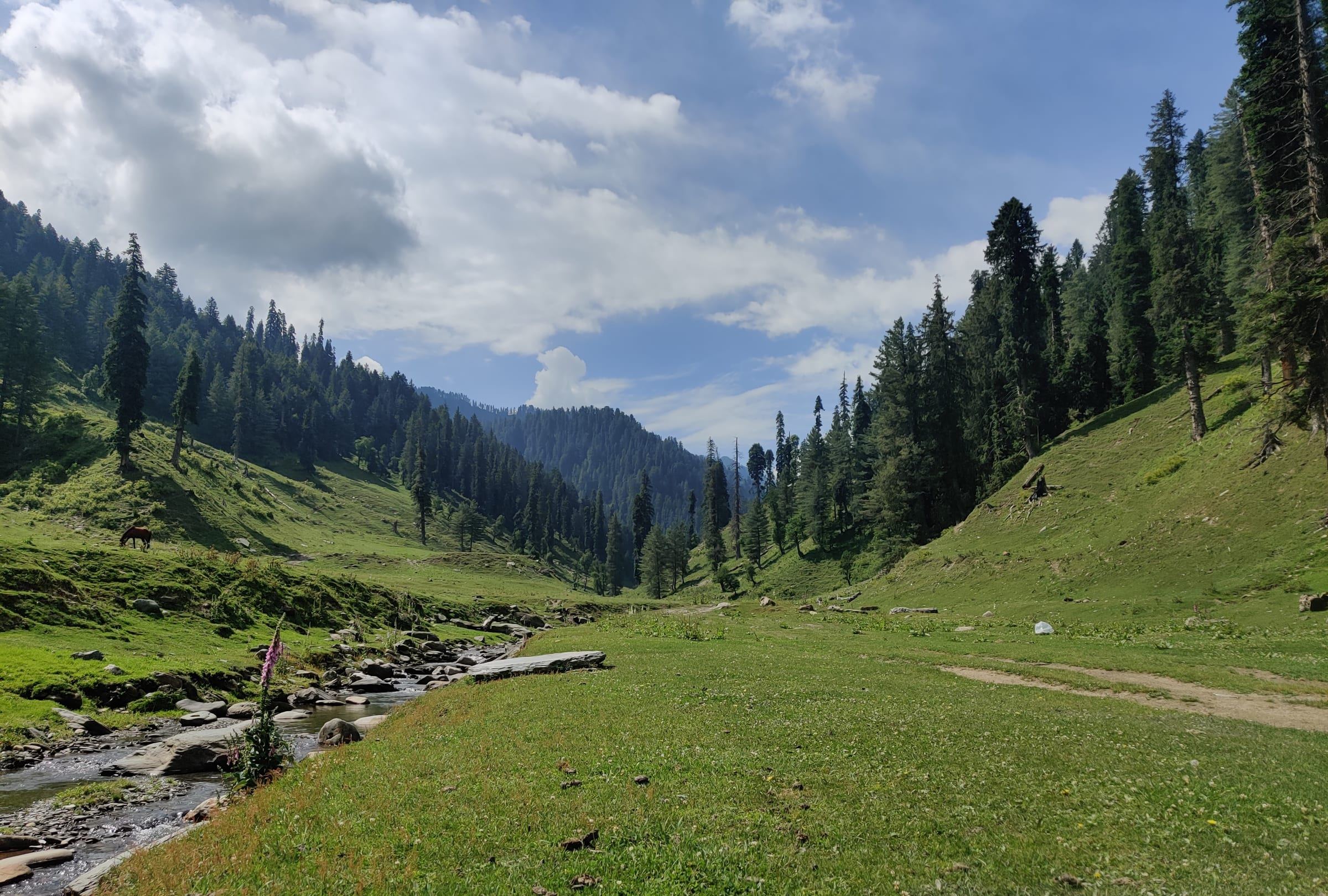
A temperate valley in Doda district, Jammu & Kashmir, at roughly 1,600 m, where lavender was introduced by CSIR-IIIM under the CSIR Aroma Mission in the mid-2010s and is now grown by several thousand farmers and distilled in more than 80 local units, according to government releases.
| Country | India |
|---|---|
| Within | Jammu & Kashmir |
| Altitude (reference) | ≈ 1,600 m |
| Coordinates | 32.98° N, 75.71° E |
Regional context
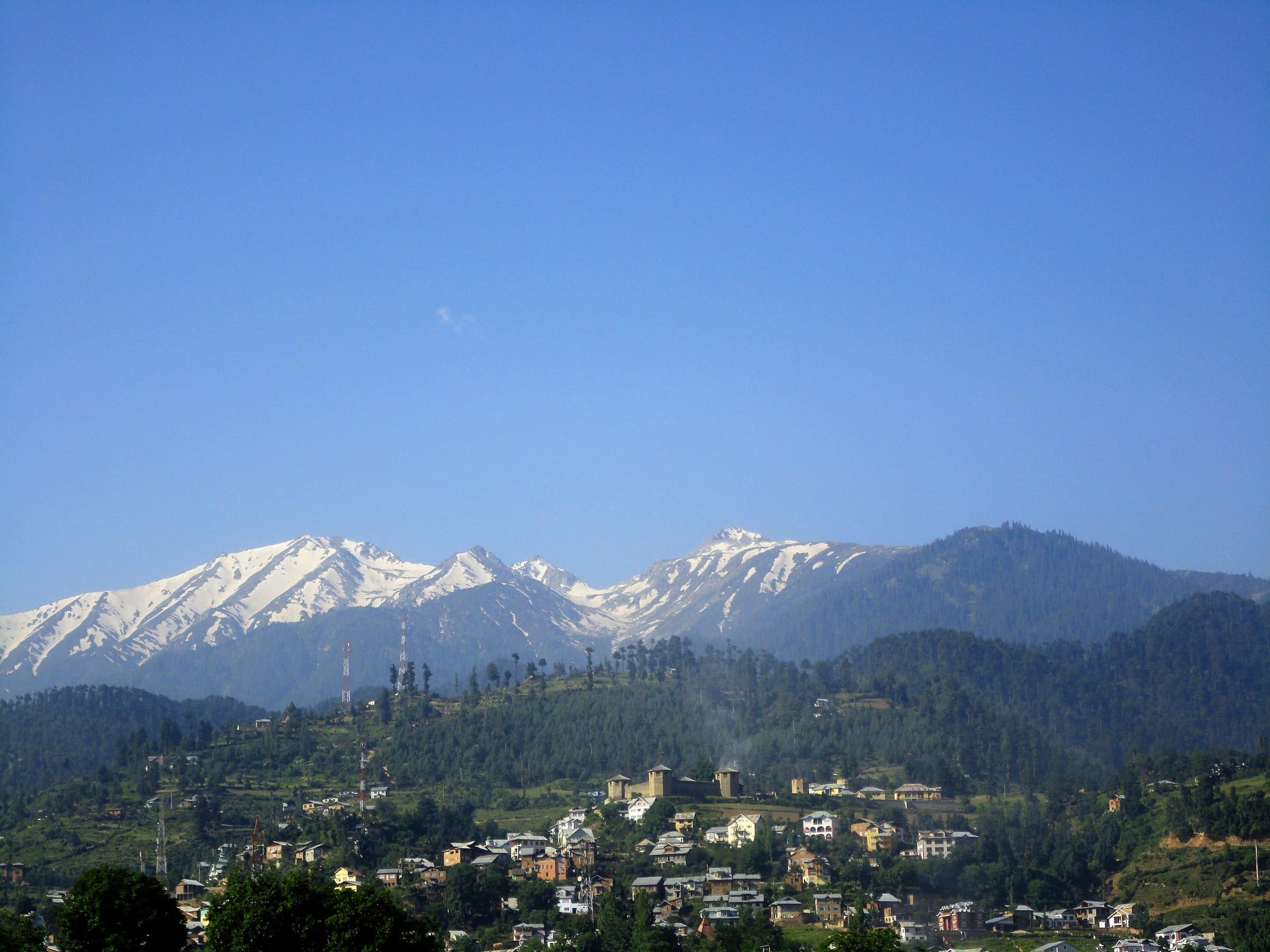
| Place and climate | Bhaderwah lies at about 1,600 m in a hilly district with a temperate climate; IMD normals give a January mean minimum near 0 °C and a July mean maximum of about 30 °C. Source: India Meteorological Department normals; elevation approx. 1,600 m |
|---|---|
| Lavender introduction | Introduced to farmers by CSIR-IIIM (Jammu) in the mid-2010s under the CSIR Aroma Mission (launched 2016); farmer scale-up from about 2017. Start dates differ between sources, so the mission launch year is the safe anchor. Source: CSIR-IIIM; Press Information Bureau (PIB), Government of India |
| Variety | RRL-12, an elite lavender variety developed by CSIR-IIIM for rain-fed temperate regions; more than 3 million (30 lakh) plants distributed free to farmers by 2023. Source: PIB release, 4 June 2023 |
| Growers (dated) | More than 1,000 farming families on more than 200 acres (May 2022); more than 2,500 farmers cultivating lavender in J&K (June 2023); more than 5,000 farmers and entrepreneurs engaged (May 2026). Source: PIB releases, 26 May 2022, 4 June 2023 and 29 May 2026 |
| Area (dated) | CSIR-IIIM phase areas for J&K lavender: Phase 1 about 165 ha (≈600 farmers); Phase 2 about 911 ha (≈2,500 more farmers); Phase 3 first year about 317 ha; about 1,600 ha reported under lavender in 2026. Source: CSIR-IIIM Aroma Mission pages (2025/2026) |
| Lavender oil output, Bhaderwah/Doda growers | 300 L (2019), 500 L (2020), 800 L (2021), 1,500 L (2022); CSIR-IIIM later cites about 1,500 kg of oil and 93,000 kg of dried flowers from Tehsil Bhaderwah in a year, with a stated turnover of Rs 10.5 crore. Source: PIB release, 4 June 2023; CSIR-IIIM (2025/2026) |
| Distillation units | 50 units (45 fixed, 5 mobile) installed across J&K by May 2022; 50 operational in Bhaderwah (June 2025); more than 80 units cited for Bhaderwah by 2026. Source: PIB releases, 26 May 2022 and 1 June 2025; CSIR-IIIM (2026) |
| Yields (public statements) | About 80–90 kg of flowers per kanal (CSIR-IIIM); roughly 32–40 L of oil per hectare in Doda, with 40 L or more in ideal conditions (CSIR-IIIM scientist, 2021). Source: CSIR-IIIM; press interview, 2021 |
| Farm economics (public-sector figures) | Government releases describe an income shift from about Rs 40,000–60,000 per hectare under maize to about Rs 3.5–6 lakh per hectare under lavender, and more than Rs 5 crore earned by growers in 2018–2022. These are the programme's own figures. Source: PIB release, 4 June 2023 |
| Lavender Festival | Held annually at Bhaderwah since 2022, when the Minister described the town as the birthplace of India's "Purple Revolution"; the fourth edition took place on 6–7 June 2026 under the theme "Lavender goes global". Source: PIB releases, 26 May 2022 and 29 May 2026 |
| Harvest window | Bloom begins around early June (the festival is timed to it) and harvest and distillation run through June–July. No official month statement exists; the harvest period is declared per lot. Source: Public reportage; festival timing (PIB) |
| Other Aroma Mission crops | Tagetes minuta and Salvia sclarea were among crops extended to farmers under Phases I–II; lemongrass, geranium and rosemary are also listed for J&K. Source: CSIR Aroma Mission phase documents; CSIR-IIIM |
| Geographical indication | A GI exists for Bhaderwah rajmash (kidney beans; application 768, registered 28 August 2023). No GI registration or application for Bhaderwah lavender was found in public records; none is claimed. Source: GI Registry, India (search, October 2026) |
Long read: Bhaderwah lavender: the origin, from the public record
How origin is declared on our lots
Every commercial lot carries an origin declaration naming the growing area, the producer or producer group (to the extent agreed with them), the harvest period and the distillation site. Origin is recorded when the lot is selected, not reconstructed afterwards, and is cross-referenced on the Certificate of Analysis.
Nothing on this page describes a lot that Himalayan Botanic currently holds. Batch availability is confirmed on request.
Qualify a supply source with a technical sample.
Tell us the ingredient, your application and an approximate annual requirement. We respond with availability, documentation and sampling terms.